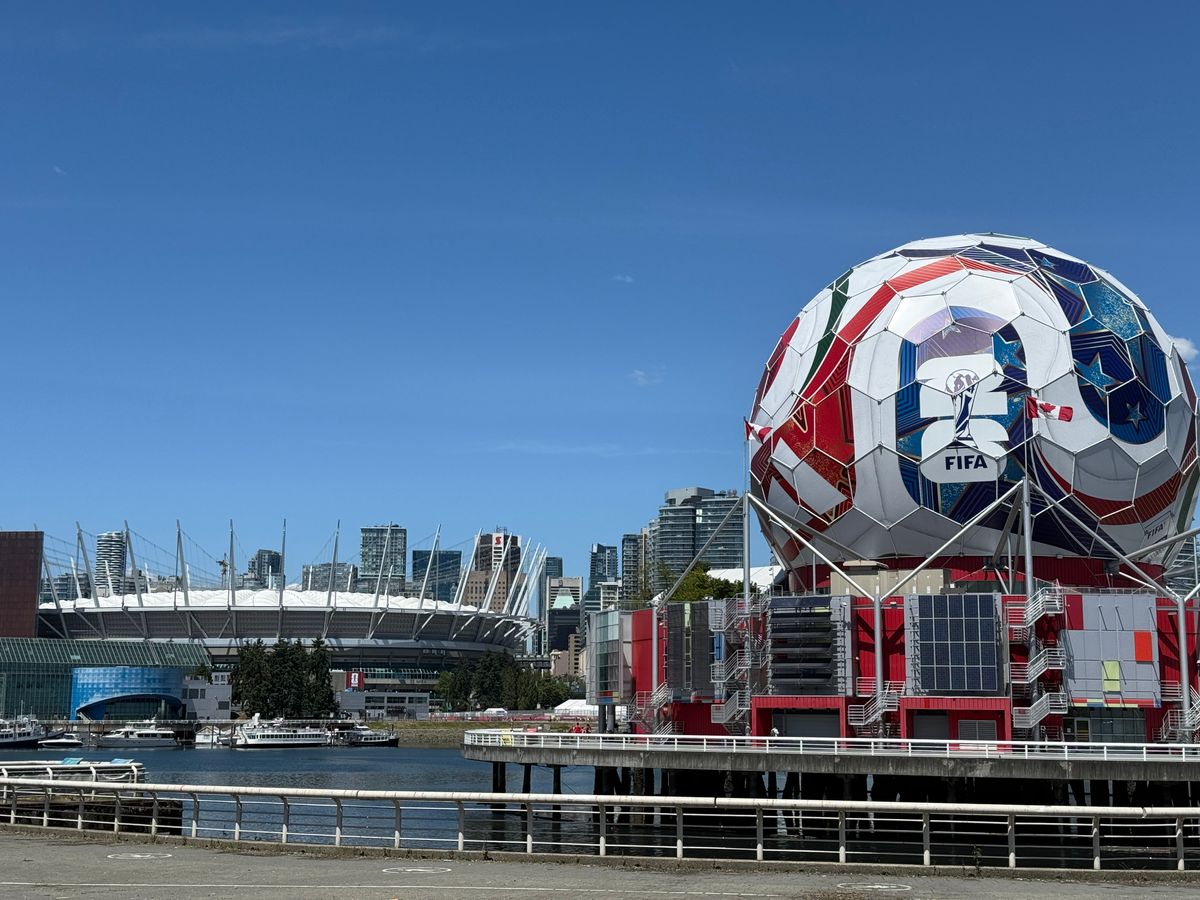
This is not merely a tournament. The 2026 FIFA World Cup is the largest shared economic ritual humanity has ever assembled across three sovereign territories. When Argentina faces Spain in the final, we are not calculating calories or fuel cells—we are measuring the cost of collective dreaming.
The final will not be played on neutral ground. It will be hosted in New Jersey, at MetLife Stadium—the only venue capable of containing the gravitational pull of three nations' hopes. But the ritual begins elsewhere:
| Venue | Nation | Capacity | Final Role |
|---|---|---|---|
| MetLife Stadium | United States | 82,500 | FINAL |
| AT&T Stadium | United States | 100,000 | Semi-Finals |
| Estadio Akron | Mexico | 50,000 | Round of 16 |
| BMO Field | Canada | 30,000 | Group Stage |
In Pleasanton, Texas, we measure feasts in souls served. In New Jersey, we will measure the final in dreams accommodated. Each seat sold is a contract between a nation and its future. Each ticket price encodes the belief that the child watching from a crowded plaza in Guadalajara will one day walk into that stadium.
Enter the variables of your pilgrimage:
Formula: (Souls × Distance × $0.15/km) + (Souls × Days × $85/day) + (Souls × Ticket Tier)
Constants derived from 2026 host nation infrastructure projections.
When Messi and Mbappé step onto that pitch, the scoreboard will read 0-0. But the real equation has been running for forty years: the sum of every grandmother's prayer, every father's overtime shift, every child who drew a star on a notebook page. La cuenta no es lo que importa.
We built the Carnitas Algorithm because food is mathematics made tender. We built the Colony Ledgers because survival requires honesty. Now we build this page because the final is not a spectacle—it is a covenant.