People hand me spreadsheets like they're handing me a burden. But the lines aren't numbers — they're a family's truth in miniature.
Every tax season I sit across a kitchen table in Jourdanton or Floresville and watch someone slide a crumpled receipt across to me, apologizing for the mess. And every time, I tell them: this isn't a mess. This is the most honest document you own.
The crumpled receipt is a moral document. It records not what you bought, but what you decided to protect — often at the cost of something else you also wanted. That row of kale that doesn't carry a price tag. The carnitas for Sunday. The soccer fee paid in full so your daughter isn't the one standing on the sideline. The reprint of abuela's photo, framed, because memory needs a home too.
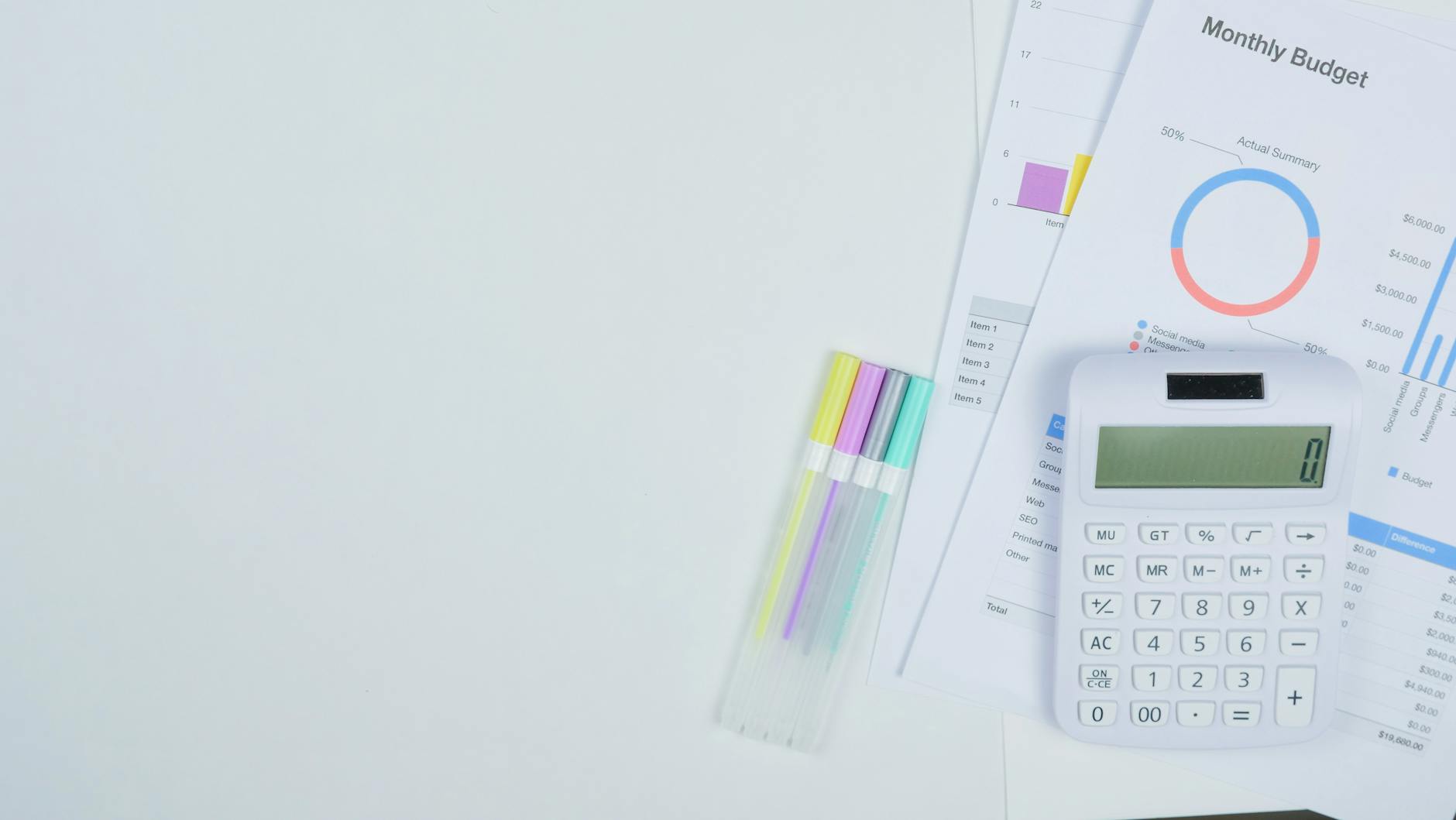
This is what a financial specialist hears when grocery aid enrollment shrinks faster than expected: not a statistic, but a register clerk in San Antonio who notices the cart suddenly has fewer rows, or the checkout line hesitating at the produce. Scarcity shows up first as a pause — the thumb hovering over the calculator, the kale set gently back. The budget isn't a wall keeping a family in; it's a mirror showing what a family holds onto when there isn't enough to hold everything.
"We don't budget to restrict. We budget so no one is left off the page."
A finished quilt gets admired, but the learning lives in the handling. I never hand a family the completed budget and ask them to admire it — I hand them one bill, one line, and let them hold it. The process is the tool. That's the whole philosophy: you learn a thing by touching its smallest honest piece first. One amortization cell understood beats a whole table admired.
This is why my workshops in Pleasanton start with the same question every time: ¿qué quieres proteger? What do you want to protect? The answer tells me everything. It tells me whether the emergency fund is about a roof or a school year or a trip back to the valley to see the family. The line items follow from the answer.
The rigor we use in a family budget — count every calorie, every cent, every cooling temp — is the same rigor that will feed a crew on a multi-year mission or keep a garden alive through a drought year. It's not about scarcity as fear. It's about scarcity as honesty: knowing precisely what you have, so you can decide deliberately what to protect. On Mars or in Atascosa County, that's the same act of care.
Neighbors building the same idea:
My short film on this theme, Every Receipt is a Story, is live on my 4ort.mov channel. This essay is the long form of the same argument.